
Salicylic Acid and Mandelic Acid for Acne: The Perfect Duo for Clearer Skin
Acne-prone skin needs ingredients that work deeply yet gently. That’s why Salicylic Acid and Mandelic Acid for Acne has become one of the most effective skincare combinations for reducing breakouts, controlling oil, and improving skin texture.
While salicylic acid deeply unclogs pores, mandelic acid gently exfoliates the skin surface and helps fade acne marks. Together, they create a balanced routine that supports clearer and healthier-looking skin without excessive dryness.
Table of Contents
- What Is Salicylic Acid?
- What Is Mandelic Acid?
- Why Salicylic Acid and Mandelic Acid for Acne Works So Well
- Benefits of This Acne-Fighting Combination
- Salicylic Acid vs Mandelic Acid
- How to Use Them Safely
- Common Mistakes to Avoid
- Best Skincare Routine for Acne-Prone Skin
- FAQs
- Final Thoughts
What Is Salicylic Acid?
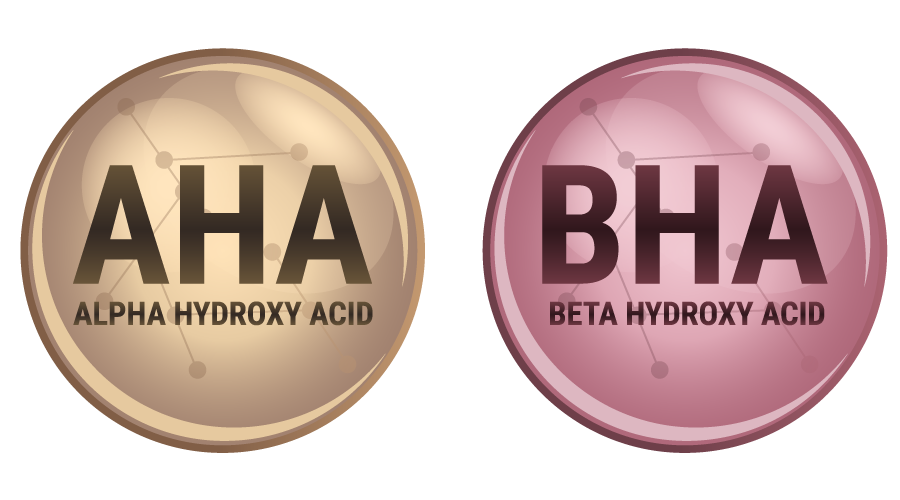
Salicylic acid is a beta hydroxy acid (BHA) that penetrates deep inside pores to dissolve excess oil, dirt, and dead skin cells.
Benefits of Salicylic Acid
- Clears clogged pores
- Reduces blackheads and whiteheads
- Controls excess oil
- Prevents acne breakouts
- Calms inflamed pimples
Salicylic acid is especially useful for oily and acne-prone skin because it targets acne at the root cause.

What Is Mandelic Acid?
Mandelic acid is a gentle alpha hydroxy acid (AHA) derived from bitter almonds. Because it has larger molecules than glycolic acid, it penetrates slowly and causes less irritation.
Benefits of Mandelic Acid
- Gently exfoliates dead skin cells
- Helps reduce acne marks
- Improves skin texture
- Brightens dull skin
- Suitable for sensitive acne-prone skin

Why Salicylic Acid and Mandelic Acid for Acne Works So Well
The reason Salicylic Acid and Mandelic Acid for Acne is such a powerful combination is because both ingredients target different causes of acne.
| Ingredient | Main Function | Best For |
|---|---|---|
| Salicylic Acid | Deep pore cleansing | Oily skin, blackheads |
| Mandelic Acid | Surface exfoliation | Acne marks, uneven texture |
Together, Salicylic Acid and Mandelic Acid for Acne helps:
- Unclog pores
- Reduce active breakouts
- Fade post-acne pigmentation
- Smooth rough texture
- Balance excess oil production
This combination provides effective exfoliation while being gentler than many harsh acne treatments.
Benefits of Salicylic Acid and Mandelic Acid for Acne
1. Helps Reduce Active Acne
Salicylic acid removes buildup from pores while mandelic acid reduces dead skin accumulation.
2. Fades Acne Marks
Mandelic acid promotes skin renewal, helping reduce post-inflammatory pigmentation.
3. Improves Skin Texture
Regular use helps smooth bumpy, uneven skin caused by repeated breakouts.
4. Controls Excess Oil
One major benefit of Salicylic Acid and Mandelic Acid for Acne is balanced oil control without over-drying the skin.
5. Gentle Exfoliation
Mandelic acid helps make the overall combination more suitable for sensitive acne-prone skin.
Salicylic Acid vs Mandelic Acid
Many people compare these two ingredients, but they actually work better together.
| Feature | Salicylic Acid | Mandelic Acid |
|---|---|---|
| Acid Type | BHA | AHA |
| Works Inside Pores | Yes | No |
| Exfoliates Skin Surface | Mildly | Yes |
| Helps Acne Marks | Moderate | Excellent |
| Suitable for Sensitive Skin | Moderate | Better |
That’s why dermatologists often recommend Salicylic Acid and Mandelic Acid for Acne as a balanced skincare solution.
How to Use Salicylic Acid and Mandelic Acid Safely
Follow these steps for best results:
Morning Routine
- Gentle cleanser
- Lightweight moisturizer
- Broad-spectrum sunscreen SPF 30+
Night Routine
- Acne cleanser with salicylic acid
- Mandelic acid serum or toner
- Hydrating moisturizer
Important Tips
- Start 2–3 times weekly
- Avoid mixing with too many strong acids
- Always wear sunscreen
- Do not over-exfoliate
Common Mistakes to Avoid
Overusing Active Ingredients
Using acids too frequently can damage your skin barrier.
Skipping Sunscreen
Exfoliating acids make skin more sensitive to sunlight.
Mixing Too Many Actives
Avoid combining strong retinoids and exfoliating acids initially.
Ignoring Hydration
Hydration is essential when using exfoliating ingredients.
Best Skincare Routine for Acne-Prone Skin
An ideal routine using Salicylic Acid and Mandelic Acid for Acne should focus on:
- Gentle cleansing
- Controlled exfoliation
- Barrier repair
- Sun protection
Recommended Routine Structure
- Cleanser with salicylic acid
- Mandelic acid exfoliating serum
- Lightweight non-comedogenic moisturizer
- Daily sunscreen
Related Articles You May Like
- How to Reduce Acne Marks Naturally
- Best Ingredients for Oily Skin
- How Often Should You Exfoliate Acne-Prone Skin?
- Niacinamide vs Salicylic Acid for Acne
- Best Face Wash for Pimples and Oily Skin
FAQs
Can salicylic acid and mandelic acid be used together?
Yes, they work very well together because they target acne differently while supporting smoother skin.
Is mandelic acid good for sensitive acne-prone skin?
Yes, mandelic acid is known for being gentler compared to stronger exfoliating acids.
Does salicylic acid help with blackheads?
Yes, salicylic acid deeply cleans pores and helps reduce blackheads and whiteheads.
How often should I use salicylic acid and mandelic acid?
Beginners should start 2–3 times per week and increase gradually if tolerated.
Final Thoughts
If you are looking for an effective yet gentle acne-care solution, Salicylic Acid and Mandelic Acid for Acne is one of the best ingredient combinations available today.
Salicylic acid deeply cleans pores and controls excess oil, while mandelic acid exfoliates the skin surface and helps fade acne marks. Together, they support clearer, smoother, and healthier-looking skin over time.
With the right skincare routine and consistent use, this powerful duo can help transform acne-prone skin without causing unnecessary irritation.