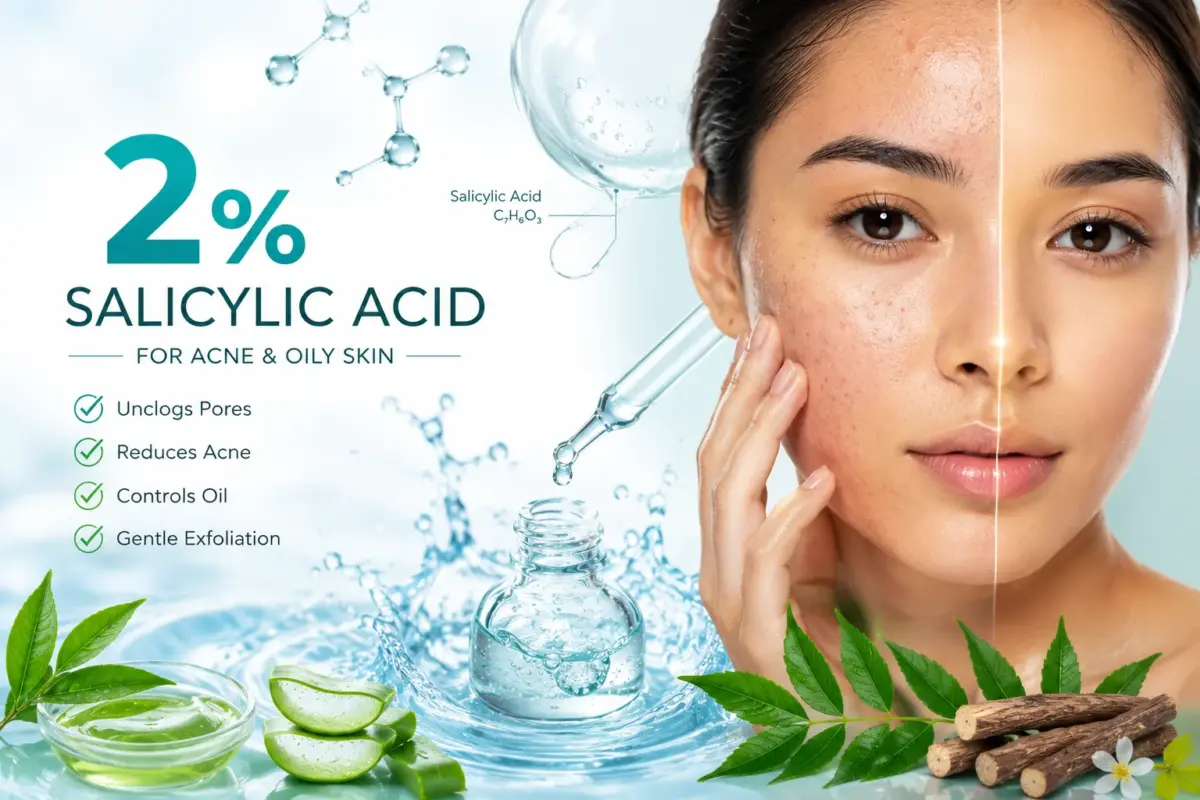
salicylic acid for acne
Acne is one of the most common skin concerns, especially for people with oily and acne-prone skin. From blackheads and whiteheads to painful pimples, acne often develops when excess oil, dead skin cells, and bacteria clog the pores.
One ingredient that has consistently remained popular in acne skincare is salicylic acid. Dermatologists and skincare experts commonly recommend it because it deeply exfoliates pores and helps reduce acne breakouts.
If you struggle with oily skin, clogged pores, blackheads, or recurring pimples, understanding how salicylic acid works can help you choose the right skincare routine.
In this guide, we’ll explain:
- What salicylic acid is
- How it helps acne-prone skin
- Benefits of using salicylic acid face wash
- Possible side effects
- How to use it correctly
- Why 2% salicylic acid is commonly recommended
What Is Salicylic Acid?
Salicylic acid is a beta hydroxy acid (BHA) commonly used in acne skincare products. Unlike many surface exfoliants, salicylic acid is oil-soluble, meaning it can penetrate deep inside the pores.
This makes it especially effective for oily and acne-prone skin.
Salicylic acid helps remove:
- Excess oil (sebum)
- Dead skin buildup
- Dirt and impurities
- Pore congestion
Because acne often starts inside clogged pores, salicylic acid works directly at the source of breakouts.
How Salicylic Acid Helps Acne
Salicylic acid helps acne-prone skin in multiple ways.
1. Unclogs Pores
One of the main causes of acne is clogged pores. Salicylic acid exfoliates inside the pore lining and helps remove trapped oil and dead skin cells.
This helps reduce:
- Blackheads
- Whiteheads
- Small bumps
- Congested skin
2. Controls Excess Oil
People with oily skin often experience frequent breakouts because excess sebum creates an environment where acne develops easily.
Salicylic acid helps reduce excess oiliness without making the skin feel overly stripped when used in a balanced formula.
3. Reduces Acne Breakouts
By keeping pores cleaner, salicylic acid helps reduce recurring pimples and inflammatory acne.
Regular use may improve:
- Active acne
- Tiny forehead bumps
- Acne congestion
- Oily T-zone issues
4. Gently Exfoliates Skin
Salicylic acid also works as a chemical exfoliant, helping remove dead skin cells from the surface.
This can improve:
- Skin texture
- Dullness
- Roughness
- Post-acne appearance
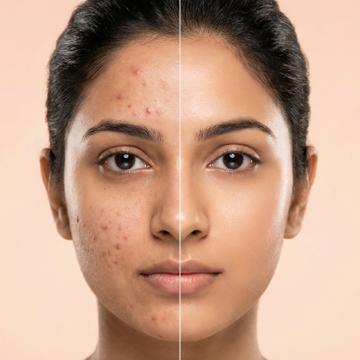
Benefits of Salicylic Acid for Oily & Acne-Prone Skin
Here are some major benefits of salicylic acid skincare products:
Deep pore cleansing
Salicylic acid penetrates pores to remove oil and buildup.
Helps reduce blackheads
It is especially popular for blackhead-prone areas like the nose and chin.
Supports smoother skin texture
Regular exfoliation helps improve rough or uneven texture.
Helps prevent future breakouts
Cleaner pores can reduce recurring acne.
Works well in face washes
A salicylic acid face wash can provide daily acne care without adding too many complicated skincare steps.
Safe Percentage Range of Salicylic Acid in Face Wash
Salicylic acid is available in different concentrations depending on the product type and skin concern.
Common Salicylic Acid Percentage Guide
| Salicylic Acid Percentage | Common Usage | Suitable For |
|---|---|---|
| 0.5% | Mild daily cleansing | Sensitive or beginner skin |
| 1% | Light exfoliation and oil control | Mild oily skin |
| 2% | Deep pore cleansing and acne control | Oily and acne-prone skin |
| Above 2% | Stronger exfoliation products | Professional or targeted treatments |
For most acne face washes, dermatologists and skincare brands commonly use up to 2% salicylic acid because it offers effective exfoliation while remaining suitable for regular cleansing when formulated correctly.
Why 2% Salicylic Acid Is Commonly Used
A 2% salicylic acid concentration is widely used in acne cleansers and exfoliating products because it offers effective exfoliation while still being suitable for regular use for many skin types.
A well-formulated 2% salicylic acid face wash may help:
- Clean pores effectively
- Reduce oiliness
- Improve acne-prone skin
- Minimize blackheads
- Support smoother-looking skin
However, consistency and proper usage are important.
Who Should Use Salicylic Acid?
Salicylic acid is generally suitable for:
- Oily skin
- Acne-prone skin
- Combination skin
- Blackhead-prone skin
- Congested skin
It may especially help people dealing with:
- Frequent pimples
- Excess facial oil
- Whiteheads
- Small bumps
- Enlarged-looking pores
How to Use a Salicylic Acid Face Wash
Using salicylic acid correctly is important to avoid irritation.
Step-by-Step Usage
- Wet your face with lukewarm water.
- Apply a small amount of face wash.
- Massage gently for 20–30 seconds.
- Focus on oily and acne-prone areas.
- Rinse thoroughly.
- Follow with moisturizer.
Most people can use a salicylic acid face wash once or twice daily depending on their skin type.
Ingredients That Work Well With Salicylic Acid
Salicylic acid often works even better when combined with soothing and balancing ingredients.
Mandelic Acid
Helps support gentle exfoliation and smoother skin texture.
Green Tea Extract
Helps calm and soothe oily or acne-prone skin.
Aloe Vera
Provides hydration and soothing support.
Neem Extract
Traditionally used in skincare for oily and blemish-prone skin.
Liquorice Extract
May help improve the appearance of post-acne marks and uneven skin tone.
https://pureandproof.com/salicylic-acid-and-mandelic-acid-for-acne/
Possible Side Effects of Salicylic Acid
Although salicylic acid is effective, overuse can sometimes lead to:
- Dryness
- Mild irritation
- Peeling
- Temporary redness
To minimize irritation:
- Avoid over-exfoliating
- Use moisturizer regularly
- Avoid combining too many strong acids initially
- Start slowly if you are new to exfoliating ingredients
People with very sensitive skin should patch test first.
Common Mistakes When Using Salicylic Acid
Using too many exfoliants together
Combining multiple strong acids can irritate the skin barrier.
Skipping moisturizer
Hydration is important even for oily skin.
Overwashing the face
Too much cleansing can sometimes increase oil production.
Expecting overnight results
Acne improvement usually takes consistent use.
Why Salicylic Acid Face Wash Is Popular for Acne Care
Many people prefer salicylic acid face wash because it fits easily into a daily routine.
A cleanser with salicylic acid can help:
- Remove excess oil
- Support acne control
- Refresh oily skin
- Maintain cleaner pores
When combined with soothing botanical ingredients, it may provide balanced cleansing without feeling overly harsh.
Why Pure & Proof Uses 2% Salicylic Acid
Pure & Proof carefully formulated its Clarifying & Renewing Face Wash with 2% salicylic acid because this concentration is widely recognized in acne skincare for helping deeply cleanse pores and support acne-prone skin.
The formula is designed to balance effective exfoliation with gentle daily cleansing.
Key highlights of Pure & Proof face wash:
- Contains 2% salicylic acid for acne care
- Helps reduce excess oil and pore congestion
- Supports blackhead and whitehead control
- Includes mandelic acid for gentle exfoliation
- Contains soothing botanical extracts like green tea, neem, aloe vera, and liquorice
- Silicone free
- Sulphate free
- Paraben free
- Designed for oily and acne-prone skin
Pure & Proof Clarifying & Renewing Face Wash
Pure & Proof Clarifying & Renewing Face Wash combines 2% salicylic acid with mandelic acid and soothing botanical extracts like green tea, neem, aloe vera, and liquorice.
The formula is designed for oily and acne-prone skin and focuses on:
- Deep cleansing
- Gentle exfoliation
- Oil balance
- Daily acne care
- Maintaining smoother-looking skin
- https://pureandproof.com/product/clarifying-renewing-facewash/
Frequently Asked Questions (FAQ)
Is salicylic acid good for acne?
Yes, salicylic acid is widely used in acne skincare because it helps unclog pores, reduce oil buildup, and exfoliate dead skin cells.
Can salicylic acid remove blackheads?
Salicylic acid may help reduce blackheads by clearing clogged pores and dissolving excess oil.
Is 2% salicylic acid safe for daily use?
Many acne face washes use 2% salicylic acid for regular use, but usage depends on individual skin tolerance.
Can oily skin use salicylic acid every day?
Many people with oily skin use salicylic acid daily, especially in cleanser form.
Does salicylic acid dry out skin?
Overuse may cause dryness in some people, so moisturizer is important.
Salicylic Acid Benefits Chart for Acne-Prone Skin
| Skin Concern | How Salicylic Acid Helps |
| Oily Skin | Helps reduce excess sebum and shine |
| Blackheads | Cleans clogged pores and buildup |
| Whiteheads | Supports smoother and cleaner-looking pores |
| Pimples | Helps reduce recurring acne breakouts |
| Rough Texture | Gently exfoliates dead skin cells |
| Congested Skin | Deeply cleans pores and impurities |
Conclusion Report
Salicylic acid remains one of the most effective ingredients for acne-prone and oily skin because it targets some of the most common causes of breakouts, including excess oil, clogged pores, dead skin buildup, and congestion.
A properly formulated salicylic acid face wash can support clearer-looking skin while maintaining a balanced cleansing routine.
The commonly recommended 2% salicylic acid concentration is especially popular because it provides effective exfoliation and deep pore cleansing for oily and acne-prone skin.
Pure & Proof Clarifying & Renewing Face Wash combines 2% salicylic acid with mandelic acid, green tea, neem, aloe vera, and liquorice extracts to create a balanced acne-care formula designed for daily cleansing, oil control, and smoother-looking skin.